Tea, Herbal Tea or Infusion? Differences and Pairings with Desserts

CATEGORIES


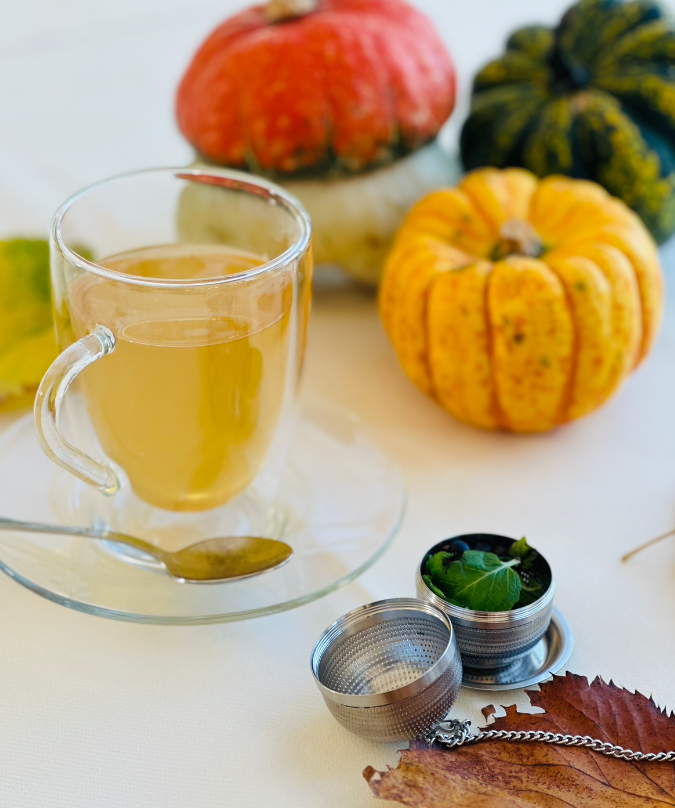
When the air turns cooler, a warm cup changes the pace of a break. In everyday language, we often use tea, herbal tea and infusion as though they were the same thing. In reality, they are similar in the way they are prepared and enjoyed, but differ in origin, ingredients and character — and at La Fenice, we like to make that distinction. Understanding these differences helps us choose more consciously and also makes pairing them with one of the desserts made in our pastry kitchen more interesting. Three questions are enough: which plant does the drink come from, what aromas does it express, and how intense is it on the palate? From here, a more harmonious afternoon treat takes shape, created through either affinity or contrast.
What tea really is

Strictly speaking, tea comes from the leaves of Camellia sinensis. Black, green, white and oolong teas all come from the same botanical species; what changes is the processing of the leaves, the degree of oxidation and, consequently, their colour, aroma and flavour. This common origin explains why very different beverages share a recognisable structure. Black tea tends to offer deeper, malty, spicy or fruity notes. Green tea is often more vegetal and fresh; white tea more delicate; oolong can range from floral and ripe fruit notes to toasted nuances. These descriptions are only a guide: origin, harvest, processing and preparation can significantly alter the result in the cup.

Herbal tea and infusion: similar words, but not identical

Infusion refers first and foremost to a method: hot water is poured over leaves, flowers, fruits, seeds or spices and left to steep for the necessary amount of time. From a technical point of view, tea is also prepared by infusion. In everyday use, however, the word infusion is often reserved for blends that do not contain Camellia sinensis leaves, such as fruit, flowers or herbs. Herbal tea is a broad term describing a beverage made from one or more parts of plants. It can consist of a single ingredient, such as chamomile or mint, or a blend. To understand the difference without being too rigid about terminology, it can be remembered this way: tea comes from one specific plant; herbal teas and infusions can combine many different plants, fruits and spices.

And what about rooibos?

Rooibos does not come from Camellia sinensis and therefore is not tea in the botanical sense. It is obtained from a South African plant and offers a smooth flavour, naturally free from the caffeine typically found in tea. Its rounded character, sometimes with vanilla or woody notes, makes it an interesting pairing with biscuits, shortcrust pastries and desserts containing nuts.

How to pair tea and desserts: start with intensity

The most useful rule is to match intensities. A light tea served with a very rich dessert risks disappearing; a highly spiced blend can overpower a delicate cream. Before choosing, consider the dessert: is it crumbly or creamy? Is butter, fruit, cocoa, nuts or a spice the predominant flavour? The pairing can seek affinity, echoing similar aromas, or contrast, using freshness and slight astringency to lighten a richer sensation. Both approaches work when neither element overpowers the other. With simple biscuits and buttery shortcrust pastries, moderately intense black teas, smooth oolongs and rooibos are pleasant choices. Toasted or rounded notes complement the crumbly texture without weighing it down. With apples, pears, citrus fruits or red berries, it is important to respect the acidity of the filling. An aromatic black tea complements an apple tart; a delicate green tea can accompany fresh fruit and light creams; a red berry infusion intensifies the fruity character, provided it is not too sweet. If the tart is already very aromatic, a simple, clean-tasting tea is preferable. A soft crumb and notes of butter, vanilla or citrus call for a beverage that is enveloping yet clean. Elegant black teas, floral oolongs and rooibos are natural companions. The warm drink enhances the aromas of the leavened pastry and encourages you to savour each bite slowly. Cocoa requires structure. With a dark chocolate dessert, you can choose a robust black tea or an unsweetened spiced blend. Milk chocolate works well with softer profiles, such as rooibos or roasted oolongs. Hazelnuts, almonds and pistachios pair well with warm, lightly roasted notes. The key is to avoid adding too much sweetness: a dry-tasting cup keeps the palate refreshed.

A warm break, without automatic choices

Choosing between tea, herbal tea and infusion is not a matter of terminological precision. It is a way of paying closer attention to what is in the cup and on the plate. During an autumn break, the temperature invites us to slow down; the right pairing makes that moment more distinct, without any need to complicate it. The final piece of advice is very practical: taste the drink first, then the dessert, and finally the drink again. If the beverage retains its own character and the flavours of the dessert become clearer, the pairing works.


  • Address: via Verona 69/71, Lugana di Sirmione, Bs.

  • Telephone: +39 030 919003

Continue reading

October at Pasticceria La Fenice: the “Turbiana Twist” is born, the sweet warmth of autumn.

CATEGORIES


October is the month of stories, the first scarves, and the scents that return to warm the air. At Pasticceria La Fenice Bistrot, every autumn is a little tale of flavors, traditions, and new inspirations. This year, the star of the season is our new warm, non-alcoholic cocktail, the “Turbiana Twist,” a creation that celebrates the sweetness of the land and the magic of October days and the end of the grape harvest.

The “Turbiana Twist”: a sip of the grape harvest

Made from Turbiana grape must, the iconic grape of Lugana DOC and our lake, combined with warm spices and citrus aromas.
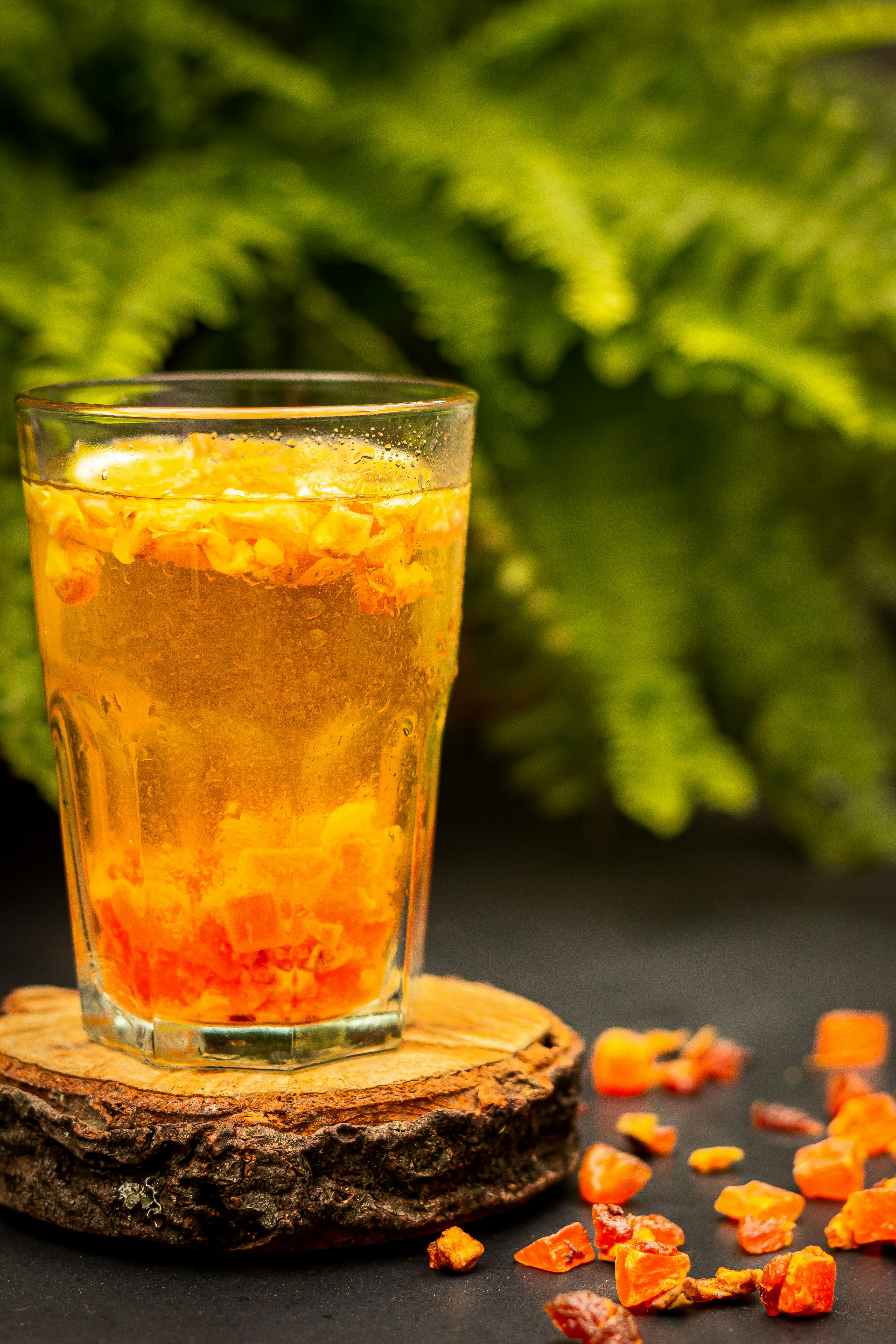
Served steaming hot in a transparent cup, Turbiana Twist is an aromatic embrace: smooth like autumn, fragrant like the vineyards at sunset, sweet but not cloying.
It’s designed for those who love authentic flavors but are looking for an alcohol-free alternative, perfect with our artisanal cookies or a slice of freshly baked cake. It’s also a perfect accompaniment to any meal, paired with a dish from our autumn menu. This cocktail evokes the grape harvest, the calm of October days, and the art of taking your time.

October, a month of stories and sweetness

As the days grow shorter and the leaves turn golden, the desire for home-style desserts returns to the pastry shop, like fresh fruit tarts, chocolate or chestnut single-serving pastries, but also butter biscuits with special creams, even vegan ones, and many small baked goods with a festive flavor, dedicated to the month of October.

Each creation is a tale of autumn: there’s the memory of the grape harvest, the joy of local festivals, the serenity of slow afternoons. And the Turbiana Twist is its symbol, combining the warmth of a cup and the flavor of the land in a single gesture.

Where sweetness is born

We believe every season has its own poetry. October inspires us to slow down, to embrace the scent of must, to rediscover the pleasure of an afternoon spent with a sweet treat and a heart-warming drink. The Turbiana Twist is our invitation to do so: simple, genuine, poetic. A small gesture of pleasure, to share with those you love.

Come and find out

Come visit us at the pastry shop and let yourself be enveloped by the scent of autumn. The Turbiana Twist awaits you, along with seasonal desserts and a smile that reminds you of home.

📍 Pasticceria La Fenice – where every October becomes a story to be savored.


  • Indirizzo: via Verona 69/71, Lugana di Sirmione, Bs.

  • Telefono: +39 030 919003

Continue reading

The artisanal Fenice dove: How and Why

CATEGORIES


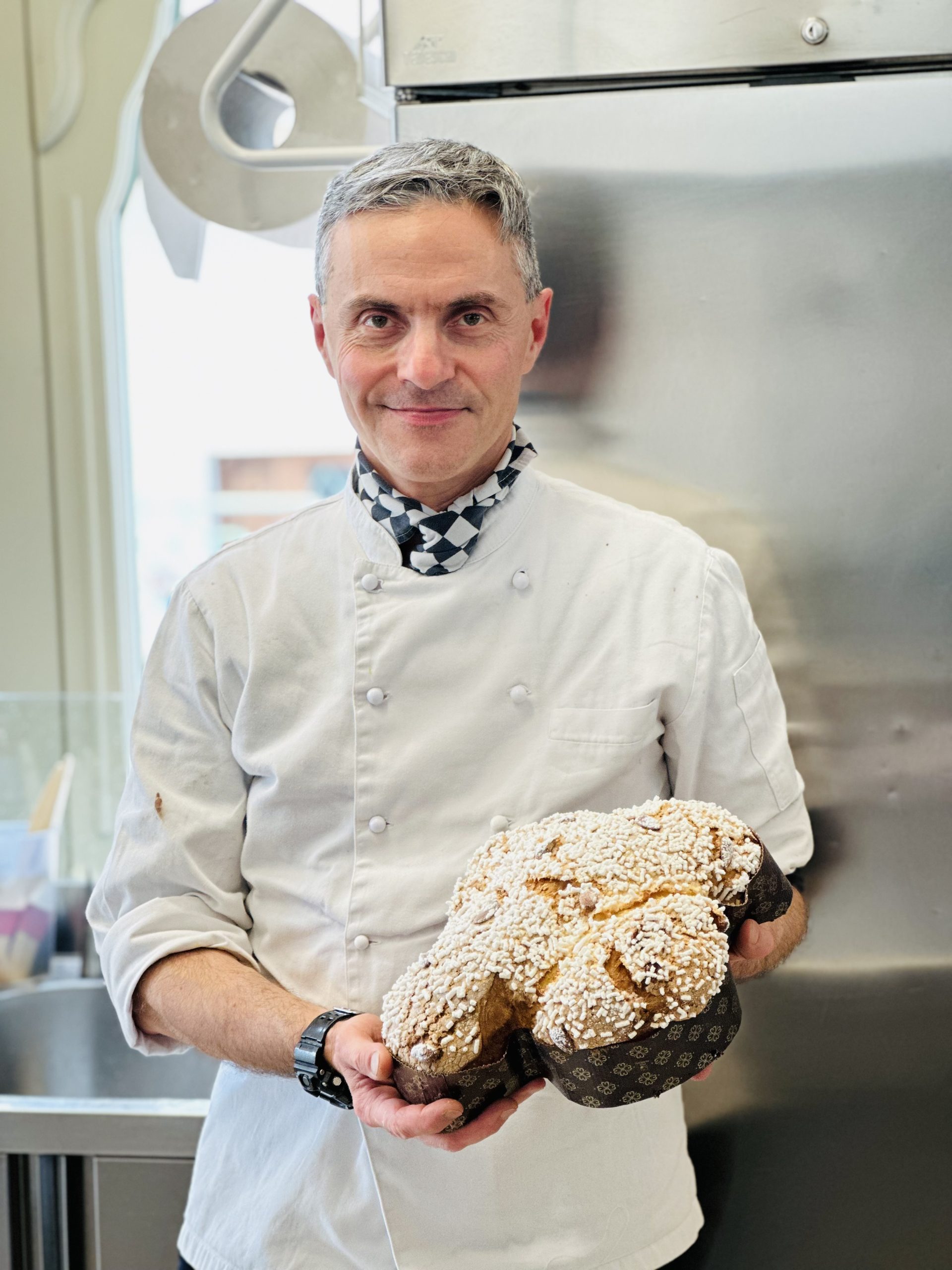
We interview Manuel Pedrali, our Master Pastry Chef, who since the opening of La Fenice almost fifteen years ago has always created exceptional sweet and delicious haute patisserie creations with perseverance and great passion.

Tireless in tests, in work and in specialization courses, to learn more and more about high-level pastry making techniques.

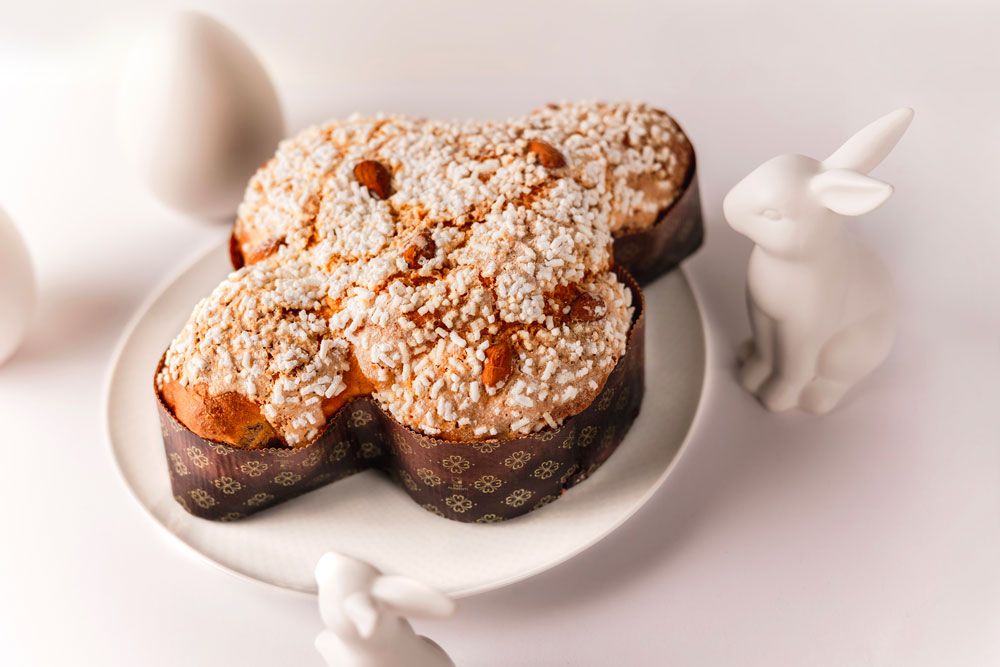
In this interview he presents us with his leavened prince in full: the dove for Easter, soft and fragrant, which can give a truly inebriating experience to those who treat themselves to a slice.

Far from competitions and visibility, Manuel travels on his own track: tenacious and precise in the choice of ingredients and in the steps for making it. Master of leavened products, he reveals some of his secrets below: we asked him some questions.

“Hi Manuel, tell us about your sourdough starter. We know that pastry chefs have a particular relationship with this raw material which must be constantly nourished and which represents the true treasure of the artisan laboratory”.

“My sourdough has been looked after for years and constantly over the years, I refresh it every day and I also use it daily to make brioche every morning here at La Fenice. Temperature management is important in this procedure: it is a living raw material and very delicate to manage if you want to be sure of the success of the final product. When we are producing the doves, we refresh the sourdough three times a day: at 5 in the morning, then at 8.30 and finally at 12, creating the dough at 3.30 pm. Refreshing means adding yeast, along with the right amount of flour and water. This procedure is done to nourish the mother yeast and to create the strength that it will subsequently need for the leavening phase, which is very important for creating a light and easily digestible leavened product”.

“Tell us then what is really special about this Colomba cake that you make with your sourdough starter: how does it differ and why choose it?”.

“First of all, it must be considered that I produce it with my live sourdough starter, I emphasize live, not to be confused with the dehydrated or dried sourdough starter that is often found in these productions. The latter in fact requires brewer’s yeast to activate.

In our case, however, we use totally natural yeast and a long production process that requires many hours; last but not least, leaving the leavened product upside down for the settling phase after baking in the oven. Finally, each dove made in this way is carefully packaged by hand. In fact, in the package there is a note with information on consumption and conservation: it is a totally artisanal product. Furthermore, the colomba della Fenice distances itself from the classic traditional colomba because the flavors we choose have always not been the classic ones: we do this to give the end customer greater choice, while the dough always remains unchanged.

The flavors we produce are generally two or three every year: the classic apricot always remains present, with one or two possible annual special editions. In the case of the classic apricot colomba we use whole Agrimontana fruits, which we pit by hand (a long job, but these candied apricots are the best on the market).

We do this procedure to maintain softness and fragrance in the product, thus remaining very soft and fluffy. Also interesting is the slight hint of almond present in these apricots: few people know that bitter almond comes from the apricot stone. Furthermore, I must also add that we don’t work to save money: for each one kilo dove, we use half a kilo of apricots! I want to say a few more words about some of the products we use for production – because in fact all the raw materials are strictly natural: our Colomba contains vanilla which we process in berries, of the Tahiti variety (which has longer and more fragrant berries) to give an unforgettable aromatic appearance as soon as you open the bag on the table.

Furthermore, no less important is the flour we use: only certified and selected from the Besozzi “Antica Tradizione” mill. This means that we stay far away from the fortified flours that are too often found in pastry products on the market.”

“Very interesting: it is not often thought that behind a product that is brought and eaten at the end of the meal with relatives and friends, in closing, there is actually a great deal of balancing and research that fully justifies the price, for a artisan product like this. How do you suggest we enjoy your dove?”.

“The best way to have a truly exceptional experience is to warm the Colomba in the oven at around 40-50° for 5-10 minutes. This way it softens even more, because it is rich in butter. The butter we use is very good dairy butter. Then it is cut and tasted in company: it would be ideal with a mascarpone or vanilla cream, or, why not, even with a scoop of artisanal ice cream, perhaps also of our own artisanal production, given that we are moving towards the summer !”.

“We understand that you are a great researcher and lover of creations obtained with genuine products. How did you arrive at the perfection of your Colomba recipe?”.

“There are very few secrets here: just many years of work and continuous modifications, constant trials and tests. This is how I arrived at the recipe that I use to create our doves.

I obviously respect the specifications for leavened products which indicate exactly the percentages of sugar, eggs and butter that must be contained in these baked products. Few know of its existence, but it serves to protect high quality artisanal products. These are minimum quantities, which if exceeded, indicate and underline the high quality of the product created.

And this is where I have always aimed with my creations. In fact, with the Colomba della Fenice we have often gone beyond these minimum quality parameters, selecting over the years only the best raw materials that best match our philosophy”.

“Thank you for the explanation and for your time: we can already smell sugar and leavened. Has the time come to try a slice of Colomba? We are ready, and you?”.

If you also want to try this experience with the artisanal colomba della Fenice, you can find it in limited quantities in our shop in Lugana or online at https:// caffetteriapasticcerialafenice-onlineshop.it/products/la-colomba-della-fenice.


  • Address: via Verona 69/71, Lugana di Sirmione, Bs.

  • Telephone: +39 030 919003

Continue reading

Pairings with Ca’ dei Frati wines and EVO oil

CATEGORIE


Vegetable cuisine and wines: what combination?

With the new Bistro concept, La Fenice has a new menu oriented towards a more vegetal and sustainable choice for human health and the environment.

But then we asked ourselves: how to combine this new cuisine, a little distant from traditional flavours, with the wines of our Ca’ dei Frati company?

We had an interesting tasting, starting from this perspective, of our white wines which are products of the territory and which go best with plant-based cuisine, together with our sommeliers and chefs. It emerged that the fruity and floral notes, in particular, of Lugana DOC combine traditional flavors, but also fusion, with notes that come from the East, light and particular spices.

Not only wines, but also EVO oil

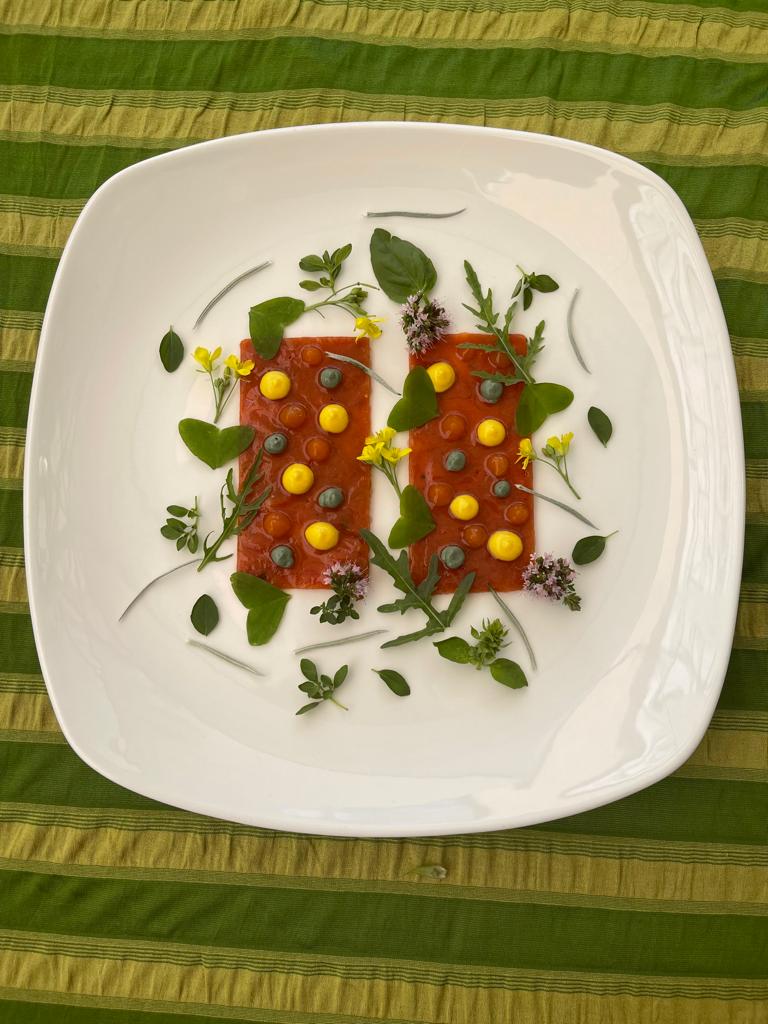
Our menu includes everything that is produced locally, with particular attention to the pairing of food and wine: the menu in fact suggests the best pairings, tested for you by our restaurant sommeliers.

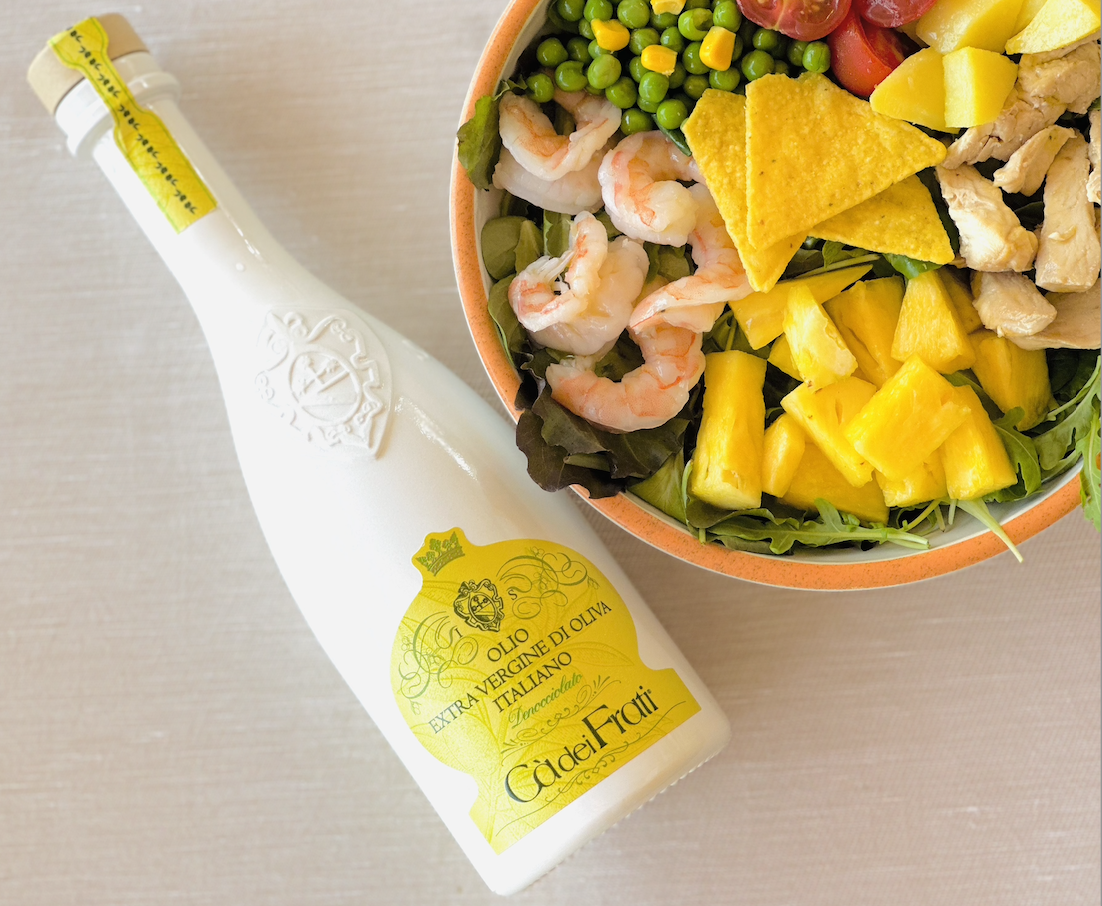
Extra virgin olive oil, the latest innovation from Ca’ dei Frati, represents an excellent and niche product that we use as a condiment for our new dishes.

It is a pitted oil, with only olives owned by our company Ca’ dei Frati, obtained with a totally inert process to guarantee the authenticity of the scents and flavors derived from the olives.

If you don’t know it, you can buy it directly in store or online from here!

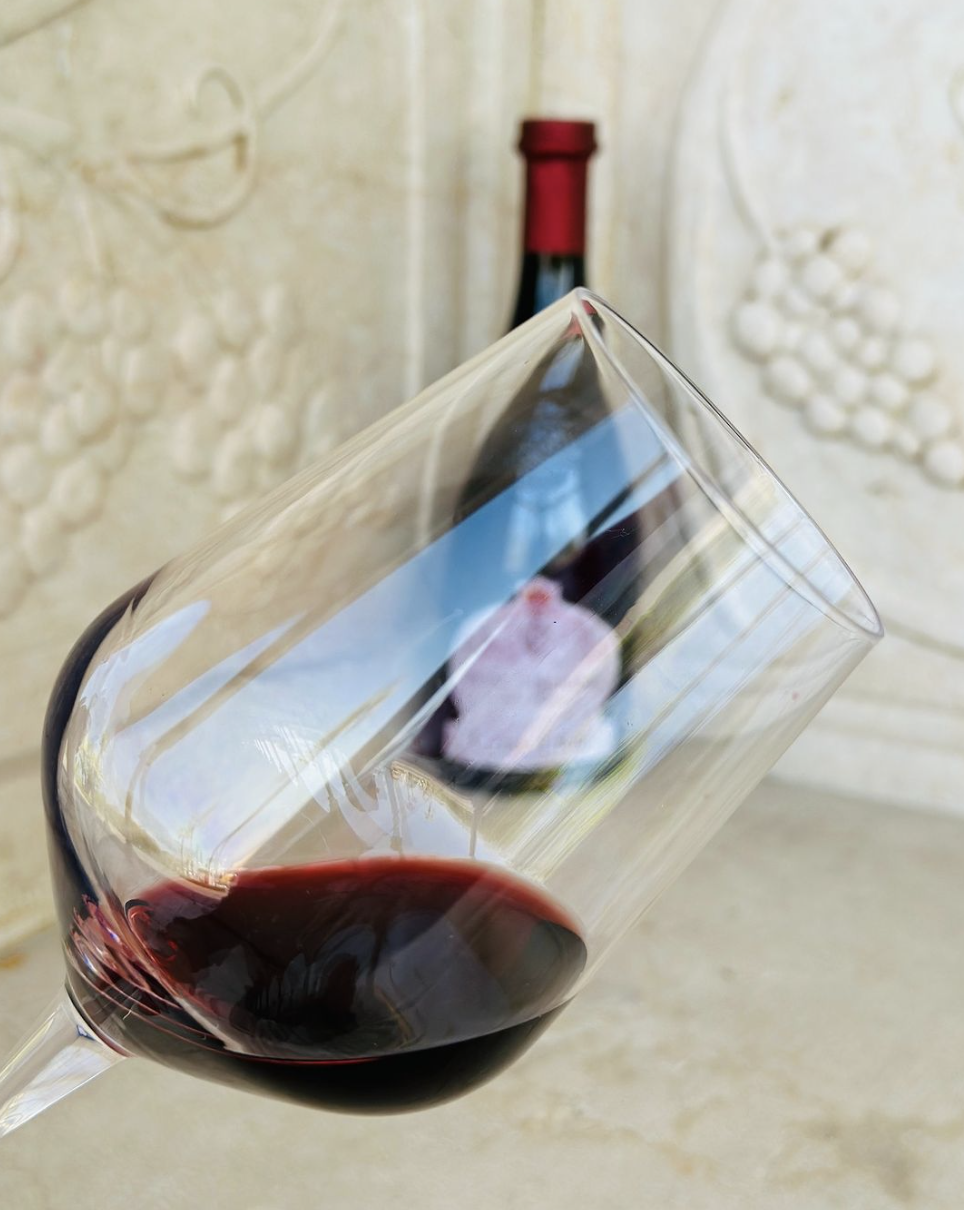
The following principle is fundamental for pairing: succulent foods are married with alcoholic and tannic wines because they “dry” in the mouth the liquid sensation they leave on the palate and the saliva they generate when chewing, like our Ronchedone and Amarone Pietro Dal Cero . Bitter and spicy foods are paired by contrast with “soft” wines, i.e. fruity, rounded and velvety ones, like our Brolettino.

The research aimed at creating our new menu takes into account the historicity of the territory and of Ca’ dei Frati: for this reason you will be able to choose from the entire range of wines produced by the company, by the glass or in the bottle.

For the dish of the day – which varies daily according to the freshness of the products – and the risotto included in the dinner menu – based on the chef’s imagination according to CortoBio‘s seasonal products (read our article about it) – the best pairings in the room will be suggested: don’t hesitate to ask to try your best lakefront gastronomic experience.

Continue reading