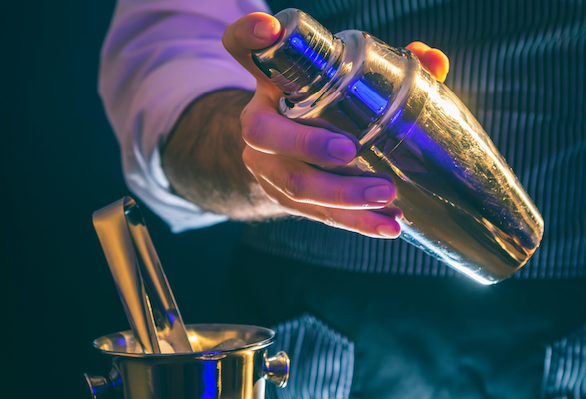
The Brescian Pirlo: the story of the aperitif that should not be called a Spritz

CATEGORIE


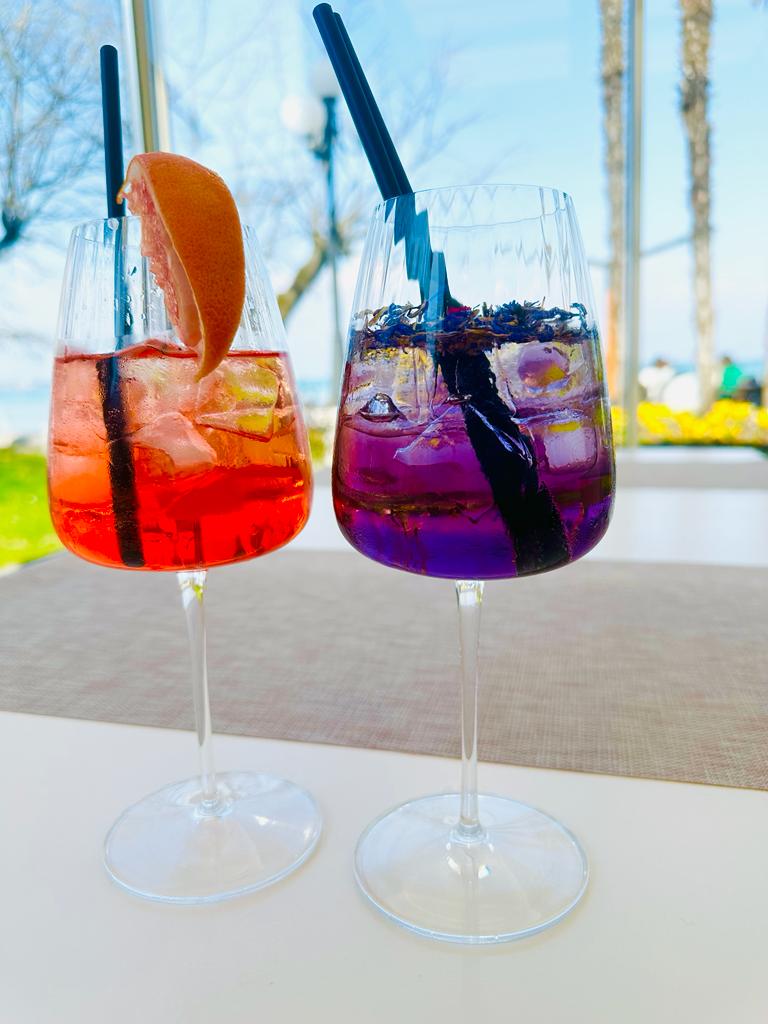
Fresco, semplice, diretto. Il Pirlo bresciano è uno di quei riti locali che raccontano molto più di una ricetta: parla di abitudini da bar, di vino bianco, di chiacchiere al banco, di pomeriggi estivi e di un modo tutto bresciano di intendere l’aperitivo. La Fenice, in provincia di Brescia, rispetta rigorosamente questa tradizione. A prima vista può ricordare lo Spritz, ma per chi conosce Brescia e il suo territorio la differenza è chiara ed importante. Il Pirlo ha una storia propria, una geografia precisa e un’identità che merita di essere raccontata senza confonderla con mode più recenti o nomi più famosi.

Che cos’è il Pirlo bresciano

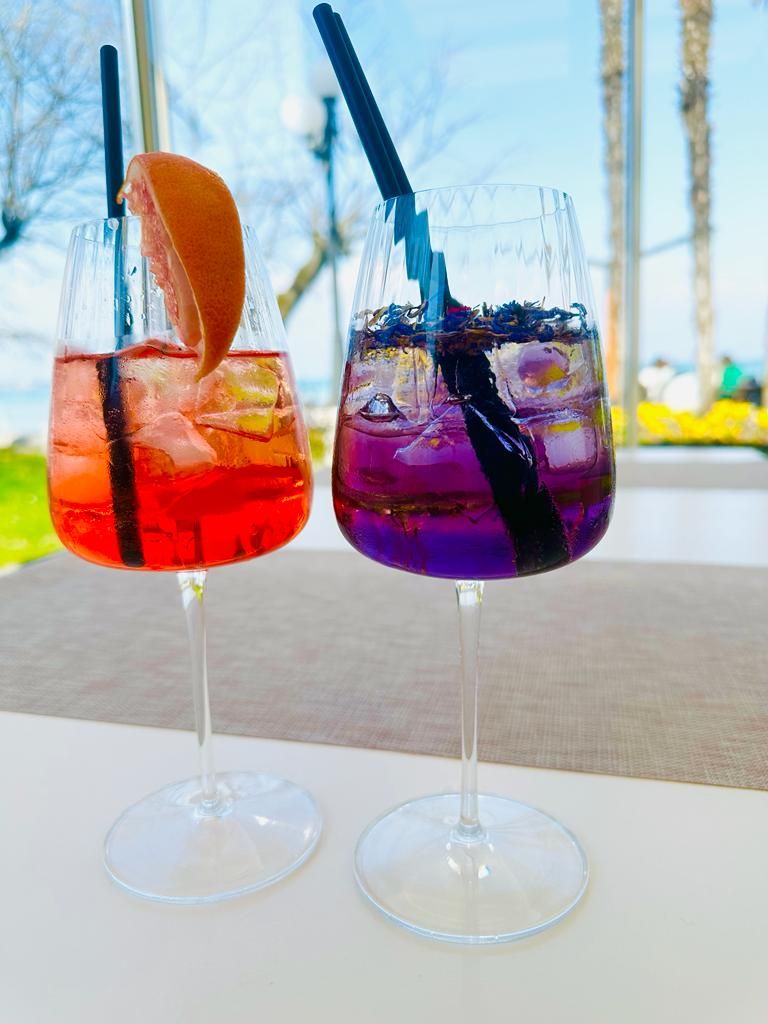
Il Pirlo è l’aperitivo tipico di Brescia e della sua provincia. Nella versione più conosciuta si prepara con vino bianco fermo, bitter, spesso Campari, una parte frizzante e una scorza o fetta d’arancia. La sua forza sta proprio nella semplicità. Nasce come bevanda da osteria e da bar: fresca, conviviale, facile da bere, legata a un territorio in cui il vino bianco ha sempre avuto un ruolo quotidiano. Nella forma originaria il Pirlo non prevedeva necessariamente né acqua né arancia e le proporzioni erano orientativamente due parti di vino e una di Campari. Oggi le versioni possono cambiare da locale a locale, secondo la moda o l’estro del barte
Le origini: dal “bianco sporco” al Pirlo

La storia del Pirlo non si lascia chiudere in una data precisa. Come spesso accade per le ricette popolari, nasce per abitudine, più che per un’invenzione ufficiale. Diverse fonti locali raccontano che prima della versione moderna esistesse un antenato chiamato “bianco sporco”: vino bianco corretto con vermut o con una componente amara, servito nelle osterie bresciane già prima della diffusione dei bitter più noti. Dopo la Seconda Guerra Mondiale, con la maggiore presenza di prodotti come Campari e Aperol, il Pirlo assume gradualmente la forma che conosciamo oggi. Il Giornale di Brescia, in un racconto dedicato alla memoria dei baristi storici cittadini, lega il Pirlo alla cultura del banco e a un modo concreto, popolare e intelligente di trasformare un bicchiere di vino bianco in qualcosa di più vivace. È una storia fatta di piccoli gesti: un’aggiunta, una correzione, un colore più acceso, un bicchiere condiviso prima di cena.

Perché si chiama Pirlo?

Anche il nome contribuisce al fascino di questo aperitivo. Una delle spiegazioni più diffuse collega “Pirlo” al movimento del bitter che cade nel vino e “pirlà”, cioè gira, scende, si mescola. È un’immagine molto semplice e molto visiva: il rosso del bitter che entra nel bianco del vino, cambia colore al bicchiere e dà inizio al rito dell’aperitivo. Ma non è solo una questione linguistica. Il nome conserva una sfumatura dialettale, locale, familiare. Dire “Pirlo” a Brescia significa riconoscere una tradizione del posto, non ordinare genericamente un aperitivo colorato.
Pirlo e Spritz: quali sono le differenze?

La domanda è inevitabile: che differenza c’è tra Pirlo e Spritz? Lo Spritz, nella versione oggi più nota e internazionale, è legato soprattutto all’area veneta e prevede spesso Prosecco, bitter e soda. Il Pirlo bresciano, invece, nasce con vino bianco fermo, senza bollicine e mantiene un carattere più asciutto e diretto. La differenza non è solo negli ingredienti, ma anche nel contesto. Lo Spritz è diventato un fenomeno molto ampio, riconoscibile in tutta Italia e all’estero. Il Pirlo resta più legato alla provincia di Brescia, alle sue osterie, ai bar cittadini, al Garda bresciano dove si trova La Fenice e a quel modo sobrio ma conviviale di vivere la pausa prima di cena. In altre parole: possono somigliarsi nel colore, ma non raccontano assolutamente la stessa storia.

Un aperitivo perfetto per l’estate

Il Pirlo è adatto all’estate perché ha tutto ciò che si cerca in un aperitivo della bella stagione: freschezza, leggerezza, immediatezza. Si beve volentieri quando le giornate sono lunghe, il caldo invita a rallentare e la pausa diventa un momento per respirare. Sul lago di Garda, poi, l’aperitivo ha un ritmo particolare. Arriva dopo una passeggiata, dopo una giornata in spiaggia, prima di una cena all’aperto o semplicemente quando si ha voglia di fermarsi un momento. Il Pirlo si inserisce bene in questa atmosfera perché non ha bisogno di essere spiegato troppo: basta un bicchiere fresco, qualcosa di buono accanto e il tempo giusto per gustarlo. E alla Fenice abbiamo la versione tradizionale bresciana, ma anche qualche versione più innovativa e all’avanguardia: vieni a provarlo!

Con cosa accompagnare il Pirlo

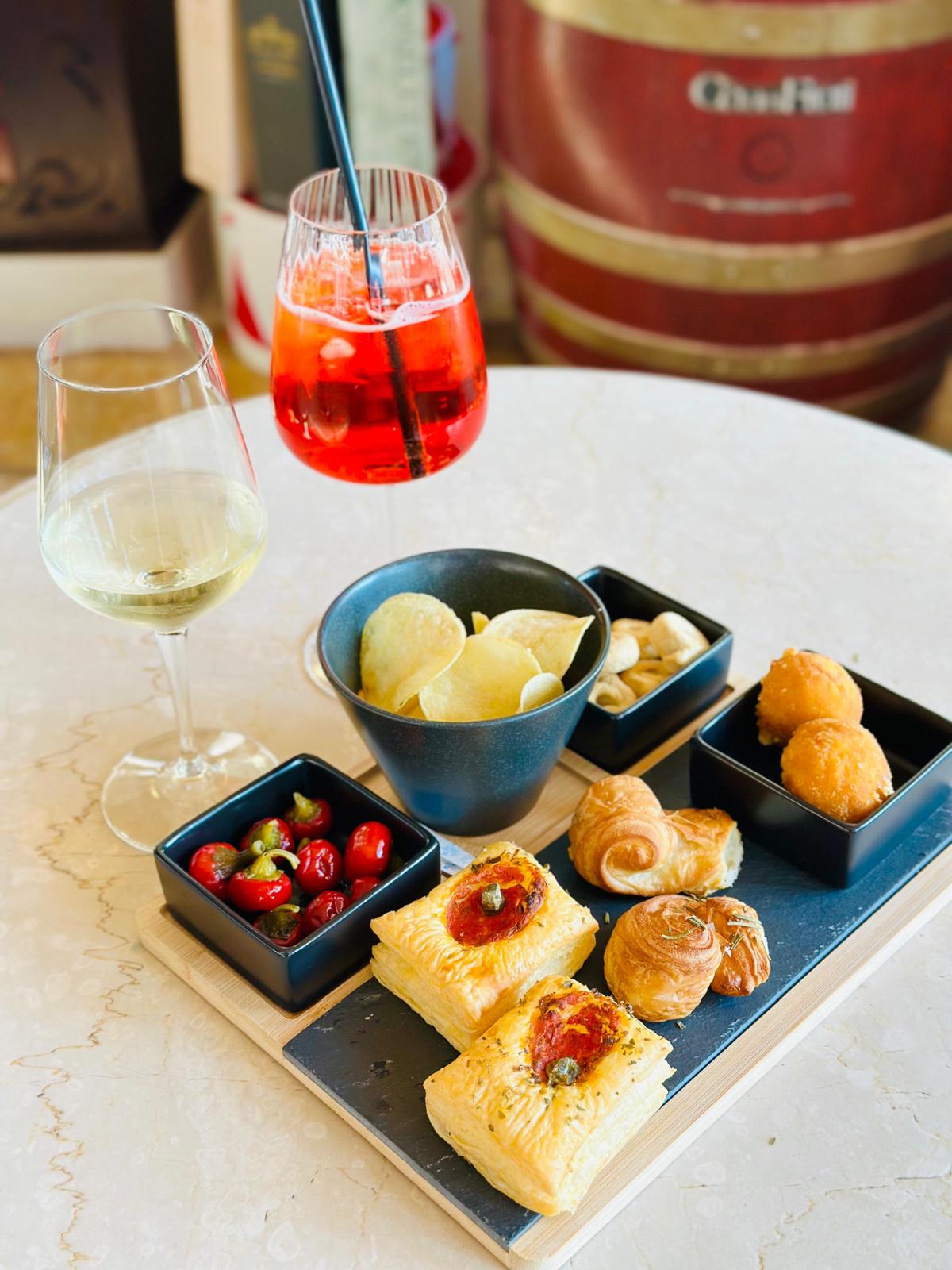
Il Pirlo funziona bene con accompagnamenti semplici e saporiti. La sua nota amaricante pulisce il palato e dialoga bene con piccoli assaggi salati, lievitati, focacce, tartine, formaggi delicati o proposte dal nostro bistrot. Per una pausa estiva, l’abbinamento ideale non deve essere pesante. Meglio scegliere qualcosa che accompagni senza coprire: un morso fragrante, una preparazione salata ben equilibrata, una proposta fresca o una piccola selezione pensata per l’aperitivo. Il bello del Pirlo è anche questo: resta informale, ma non banale.

Il Pirlo come rito bresciano

Ogni territorio ha i suoi piccoli codici. A Brescia, il Pirlo è uno di questi. Non è solo una bevanda: è un modo di stare insieme, un’abitudine che attraversa generazioni, un segnale di appartenenza senza bisogno di grandi dichiarazioni. Per chi visita il lago di Garda e la zona di Lugana, scoprirlo significa entrare in una tradizione locale con naturalezza. Per chi vive qui, invece, è spesso un gesto familiare: “ci vediamo per un Pirlo” vuol dire prendersi un momento, incontrarsi, cominciare la serata con il passo giusto in convivialità in tipico stile local. E forse è proprio questa la sua qualità più bella: il Pirlo non cerca di impressionare. Accompagna.


  • Indirizzo: via Verona 69/71, Lugana di Sirmione, Bs.

  • Telefono: +39 030 919003

Continue reading

October at Pasticceria La Fenice: the “Turbiana Twist” is born, the sweet warmth of autumn.

CATEGORIES


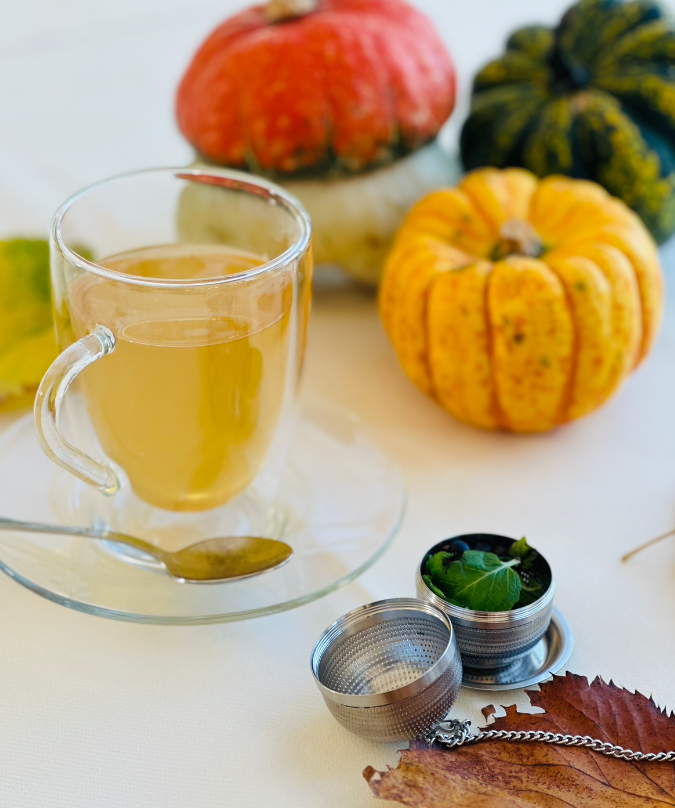
October is the month of stories, the first scarves, and the scents that return to warm the air. At Pasticceria La Fenice Bistrot, every autumn is a little tale of flavors, traditions, and new inspirations. This year, the star of the season is our new warm, non-alcoholic cocktail, the “Turbiana Twist,” a creation that celebrates the sweetness of the land and the magic of October days and the end of the grape harvest.

The “Turbiana Twist”: a sip of the grape harvest

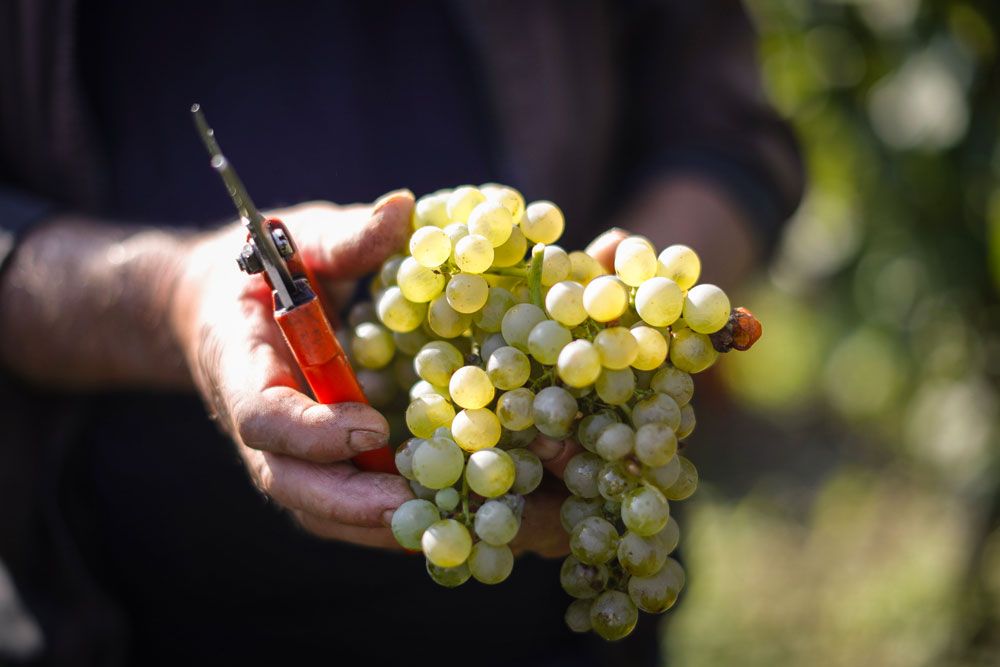
Made from Turbiana grape must, the iconic grape of Lugana DOC and our lake, combined with warm spices and citrus aromas.
Served steaming hot in a transparent cup, Turbiana Twist is an aromatic embrace: smooth like autumn, fragrant like the vineyards at sunset, sweet but not cloying.
It’s designed for those who love authentic flavors but are looking for an alcohol-free alternative, perfect with our artisanal cookies or a slice of freshly baked cake. It’s also a perfect accompaniment to any meal, paired with a dish from our autumn menu. This cocktail evokes the grape harvest, the calm of October days, and the art of taking your time.

October, a month of stories and sweetness

As the days grow shorter and the leaves turn golden, the desire for home-style desserts returns to the pastry shop, like fresh fruit tarts, chocolate or chestnut single-serving pastries, but also butter biscuits with special creams, even vegan ones, and many small baked goods with a festive flavor, dedicated to the month of October.

Each creation is a tale of autumn: there’s the memory of the grape harvest, the joy of local festivals, the serenity of slow afternoons. And the Turbiana Twist is its symbol, combining the warmth of a cup and the flavor of the land in a single gesture.

Where sweetness is born

We believe every season has its own poetry. October inspires us to slow down, to embrace the scent of must, to rediscover the pleasure of an afternoon spent with a sweet treat and a heart-warming drink. The Turbiana Twist is our invitation to do so: simple, genuine, poetic. A small gesture of pleasure, to share with those you love.

Come and find out

Come visit us at the pastry shop and let yourself be enveloped by the scent of autumn. The Turbiana Twist awaits you, along with seasonal desserts and a smile that reminds you of home.

📍 Pasticceria La Fenice – where every October becomes a story to be savored.


  • Indirizzo: via Verona 69/71, Lugana di Sirmione, Bs.

  • Telefono: +39 030 919003

Continue reading

Lugana DOC: the wine of our land

CATEGORIES


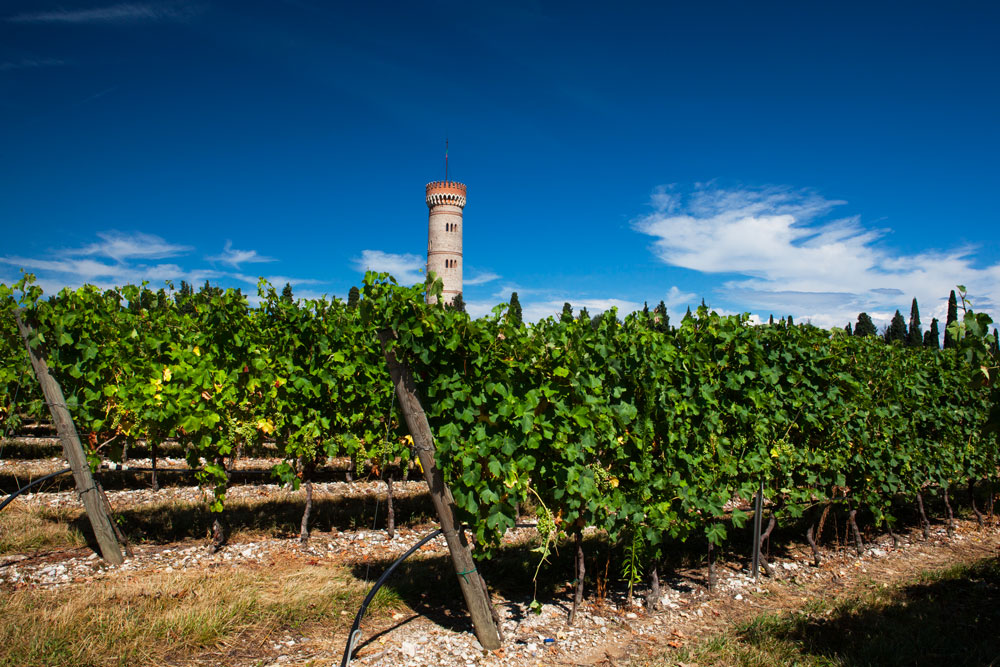
Greenish yellow, white pulp fruit and delicate flowers: we are talking about Lui, the Lugana DOC in all its beauty (and goodness!). Lugana speaks a single language, that of the territory in which it comes to life: Lake Garda, formed from a glacial origin (and not volcanic as many think due to the presence of the spa in Sirmione) which led to the southern area of ​​the basin mineral salts and sediments that are characteristic of our soil today, giving an extremely recognizable saline and mineral profile to the wine. The area for the production of Lugana DOC concerns five municipalities (Sirmione, Lonato, Desenzano, Pozzolengo and Peschiera, the only municipality in the Veneto) and represents one of the few interregional denominations, in our case precisely between Lombardy and Veneto. The soils of these areas can be macro-classified into two types: clay towards the lake shores and sand on the moraine hills.

The aromatic profile that the wine perceives varies slightly depending on whether the plants were grown closer to the lake water or in the hillier areas. But which grape variety are we talking about if we are referring to Lugana DOC? Turbiana is the name of the grape variety used for the production of this DOC. It is part of the large Italian Trebbiano family and is related to Trebbiano di Soave and Verdicchio. We can therefore speak of an “native vine” of the lower Lake Garda area, although today this definition should be better limited, since each vine actually has its origins in the fertile crescent, where agriculture was actually born. Only later did various vine clones better adapt to the different natural areas in which they had the opportunity to grow, expressing interesting and always varied declinations. Another important factor to consider for Lugana wine is the climate, or rather the microclimate of the area.

Another important factor to consider for Lugana wine is the climate, or rather the microclimate of the area. Lake Garda is capable of strongly mitigating the temperature and weather of the southern area, giving summers that are never excessively hot and winters that are almost never below zero. However, an important factor for viticulture, it presents a strong range of temperatures, particularly during the summer, where the drier climate of the day (albeit still a little humid) alternates with the humidity that arises during the night.

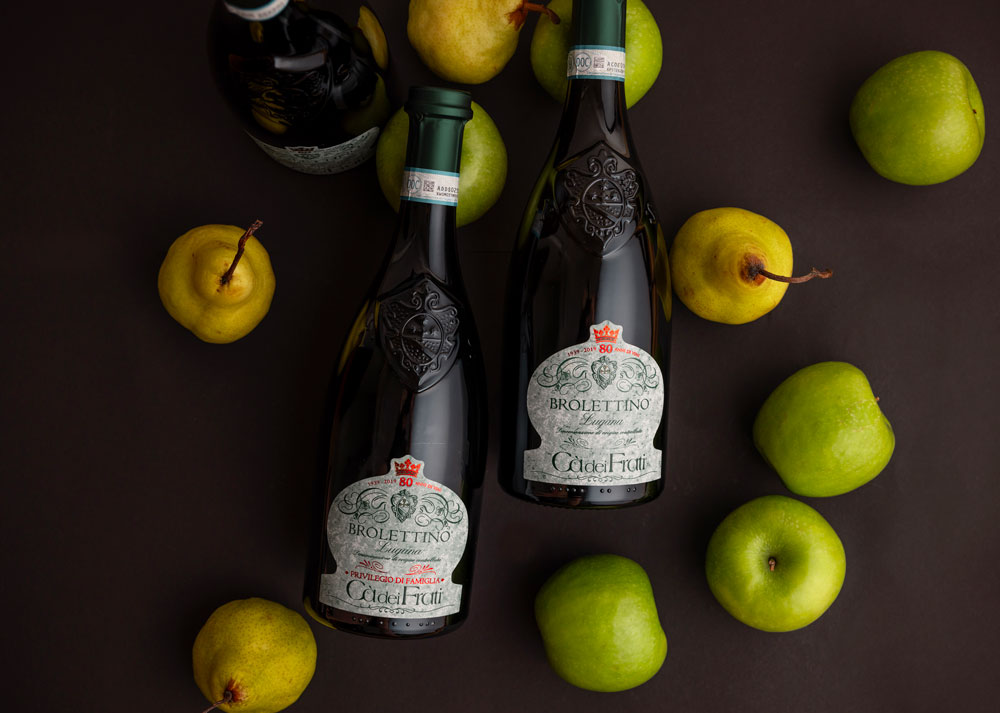
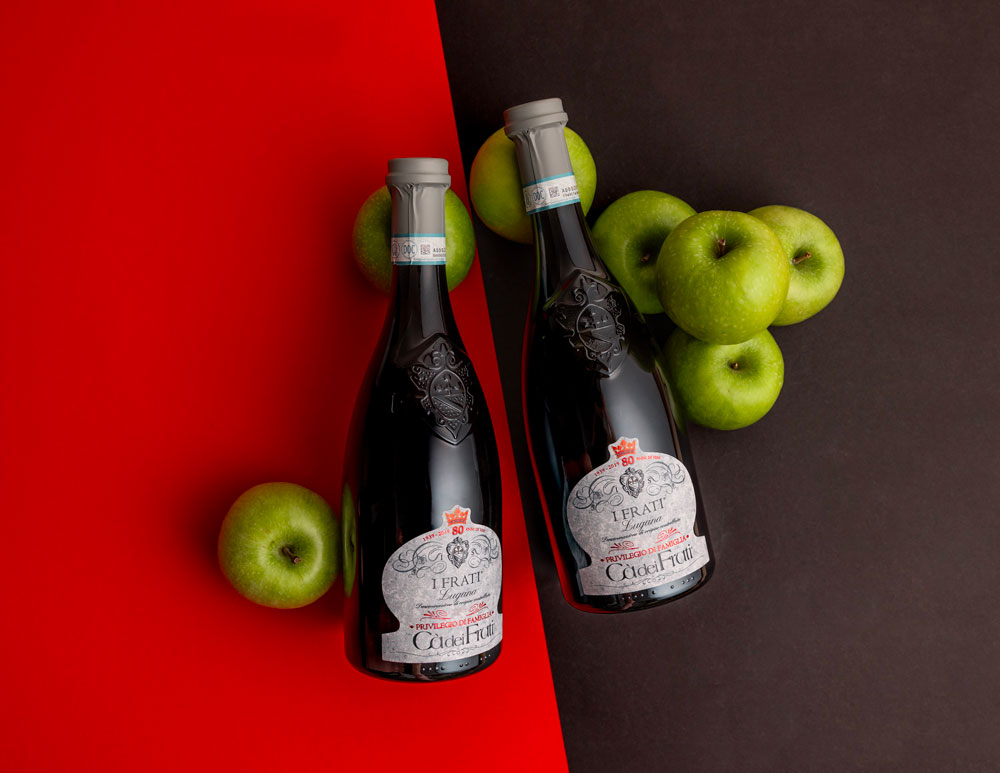
However, the typical winds of the area – such as the Luganott of the Lugana bay in Sirmione – naturally dry the bunches, making the lives of farmers easier: thus avoiding mold and damage to the grapes in the phase right around the harvest. But now let’s delve into Lugana with our nose to the glass: what do we perceive? Spring air: jasmine, elderflower, chamomile to name a few delicate flowers; green apple, slightly unripe pear, litchi if we move on to the more fruity scents, typical of vintage Lugana, such as Lugana I Frati by Ca’ dei Frati. But we do not disdain a Lugana with a few years behind it as in the case of Ca’ dei Frati’s Family Privileges: in this case the aromas veer towards more mature and even exotic fruits such as mango, papaya and passion fruit, also present with its acidic note.
And in this case you can also perceive more structured scents that recall hydrocarbon notes and then comes the fragrant poetry, all to be smelled and drunk in company. Try the Turbiana experience among the wines on offer at Ca’ dei Frati: taste it pure to fully appreciate the DOC or in a balanced blend with some important international vines.

  • Address: via Verona 69/71, Lugana di Sirmione, Bs.

  • Telephone: +39 030 919003

Continue reading

Three reasons to visit Ca’ dei Frati: food and wine on Lake Garda

CATEGORIES


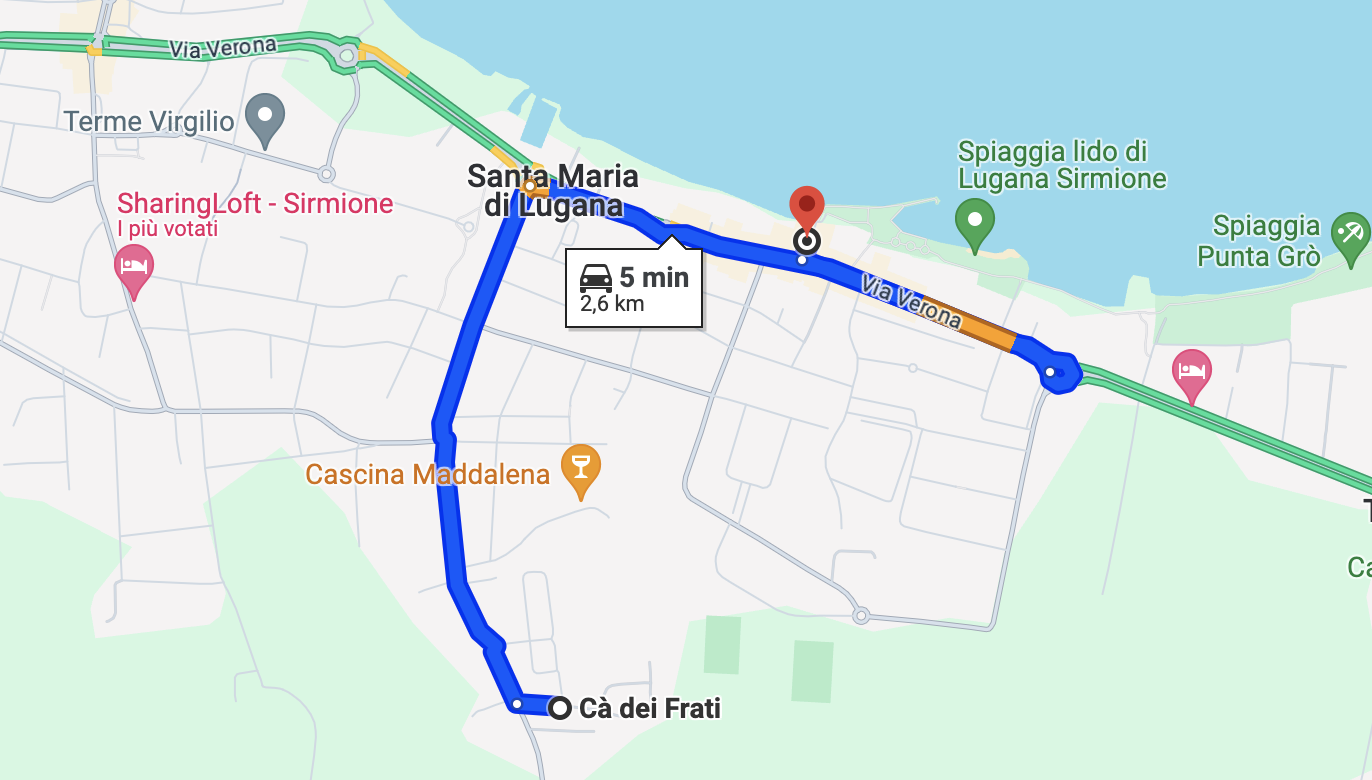
A few steps from our Bistrot La Fenice, there is the Ca’ dei Frati family winery where you can spend special experiences tasting the local wine, Lugana DOC.

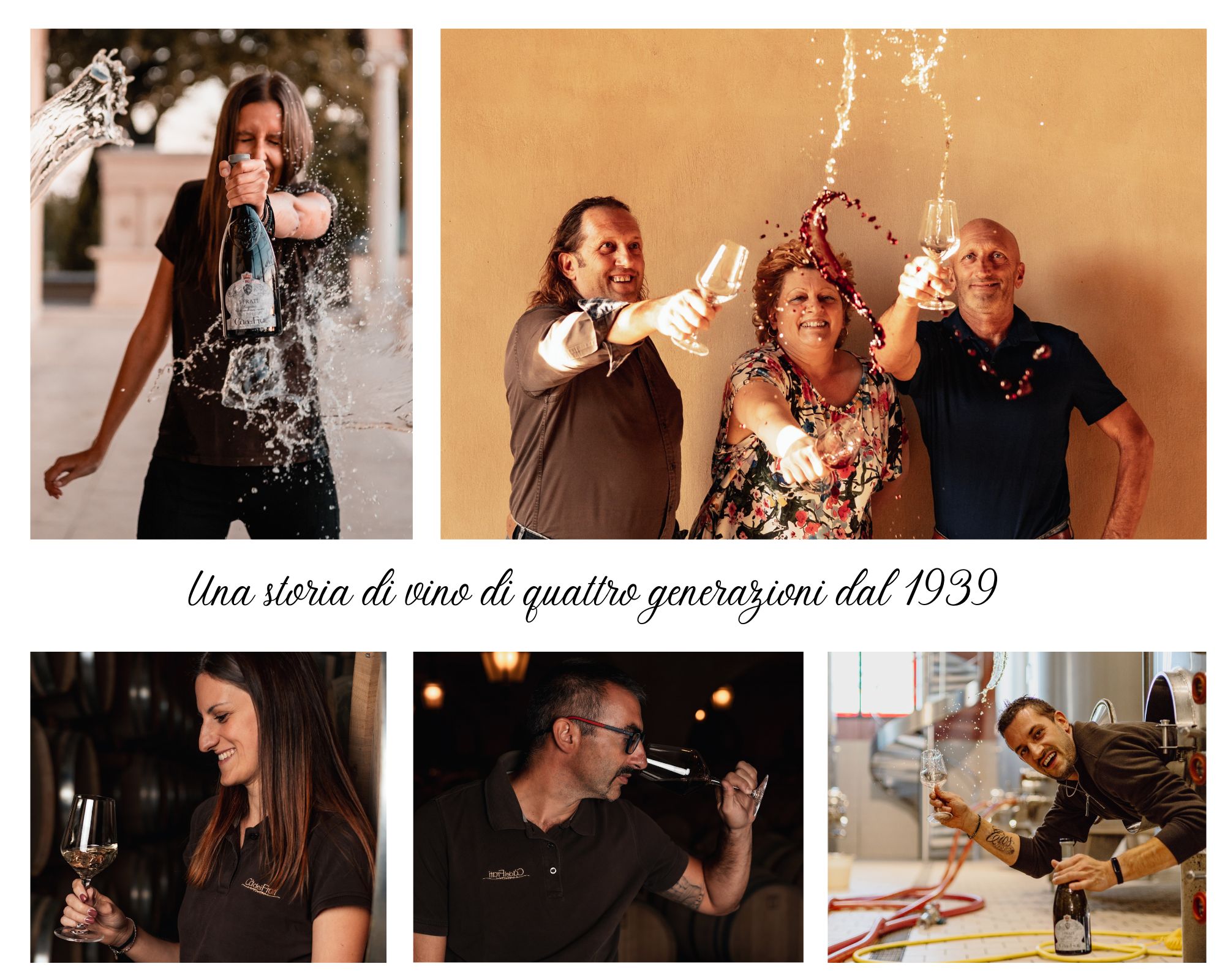
Ca’ dei Frati is currently the largest company in Lugana, with almost 300 hectares of property; is characterized by a history spanning four generations, starting from 1939 when the founders Edvige and Felice Dal Cero moved from a small town in the province of Verona, Montecchia di Crosara, on the southern shores of Lake Garda, in search of of land that responded well to agriculture.

Ca’ dei Frati therefore today represents the peasant and traditional work of many years of experience in the vineyard, always seeking to enhance the terroir and open to welcoming any public: from wine lovers to specialized sommeliers.

So why visit our cellar?

It is one of the historic places in the Sirmione area: a free visit (bookable from the website www.cadeifrati.it) or a special experience (book here with lunch or dinner in our La Lugana Trattoria next to the Bistro: https://caffetteriapasticcerialafenice -onlineshop.it/products/amarone-experience-voucher-con-data-chiusa) will make you remember your stay in our territory in a truly special way. We recommend the weekend tasting tour to all those who really want to discover the history of the place and the estate, the typical flavors and the perfect combinations with the local cuisine. For more info: mariachiara@cadeifrati.it

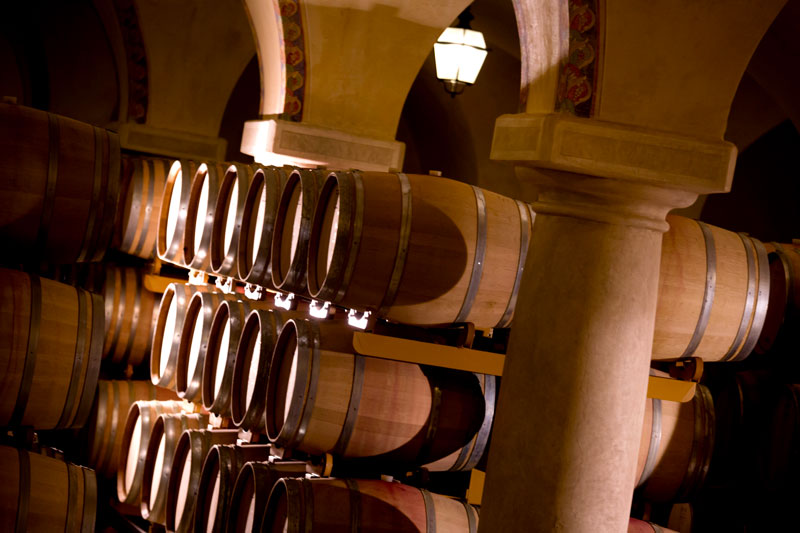
In Ca’ dei Frati ogni dettaglio fa la differenza: cieli stellati affrescati tra le botti di rovere francese, lampadari di Murano soffiati a mano dalle sfumature del Lugana DOC e mobili realizzati da maestri intagliatori su disegno medievale. Questo e molto altro potrai scoprire durante la visita in cantina se aguzzerai il tuo occhio più attento! L’azienda infatti collabora da anni con manifatture locali che lavorano ancora con le antiche tecniche artigianali e manuali medievali. La volontà è quella di riconnettersi con la storia antica dell’azienda, quando alla metà del Quattrocento qui producevano il vino per la santa messa un gruppo di frati Carmelitani scalzi, da cui il nome.

Ca’ dei Frati significa anche famiglia: nonostante le grandi dimensioni dell’azienda, si tratta ancora di una realtà intima e calda. Ai vertici delle varie attività infatti si trovano i membri della famiglia Dal Cero, che gestiscono l’azienda ancora sulla scia degli insegnamenti dei nonni e dei bisnonni. Sono fieri del loro lavoro, legati alla terra e ai suoi frutti. Sarà per te un’esperienza profonda e molto arricchente.


  • Address: via Verona 69/71, Lugana di Sirmione, Bs.

  • Telephone: +39 030 919003

Continue reading